

Psychosocial Risks at Work: Identification, Assessment and Prevention
Reviewed: 1 September 2026 Psychosocial risks arise mainly from the design, organisation and management of work and from its social context. They are not an individual weakness. Like physical, chemical or ergonomic hazards, they should be identified, assessed and controlled systematically. According to EU-OSHA, nearly 45% of workers report exposure to factors that can adversely affect mental health. In the…
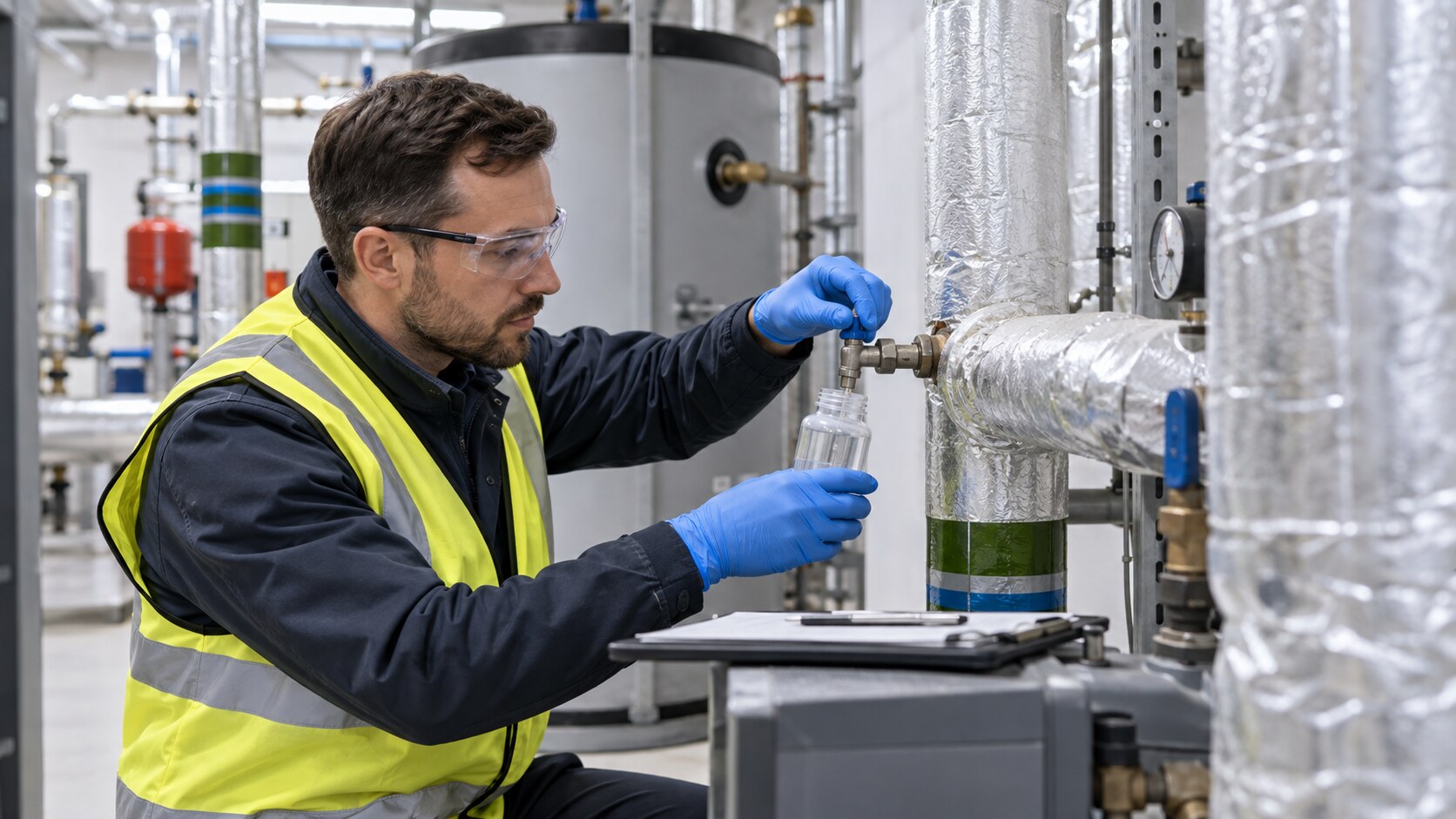
Legionella and Legionnaires’ Disease: Managing Water-System Risks
Reviewed: 1 September 2026 Legionella bacteria can grow in artificial water systems and cause severe pneumonia known as Legionnaires' disease. Exposure occurs mainly by inhaling small droplets or aerosols of contaminated water. Risk increases when systems contain stagnant water, favourable temperatures, sediment, biofilm, corrosion or inadequate disinfection. Systems requiring particular attention include hot- and cold-water networks, showers, cooling towers, whirlpool…
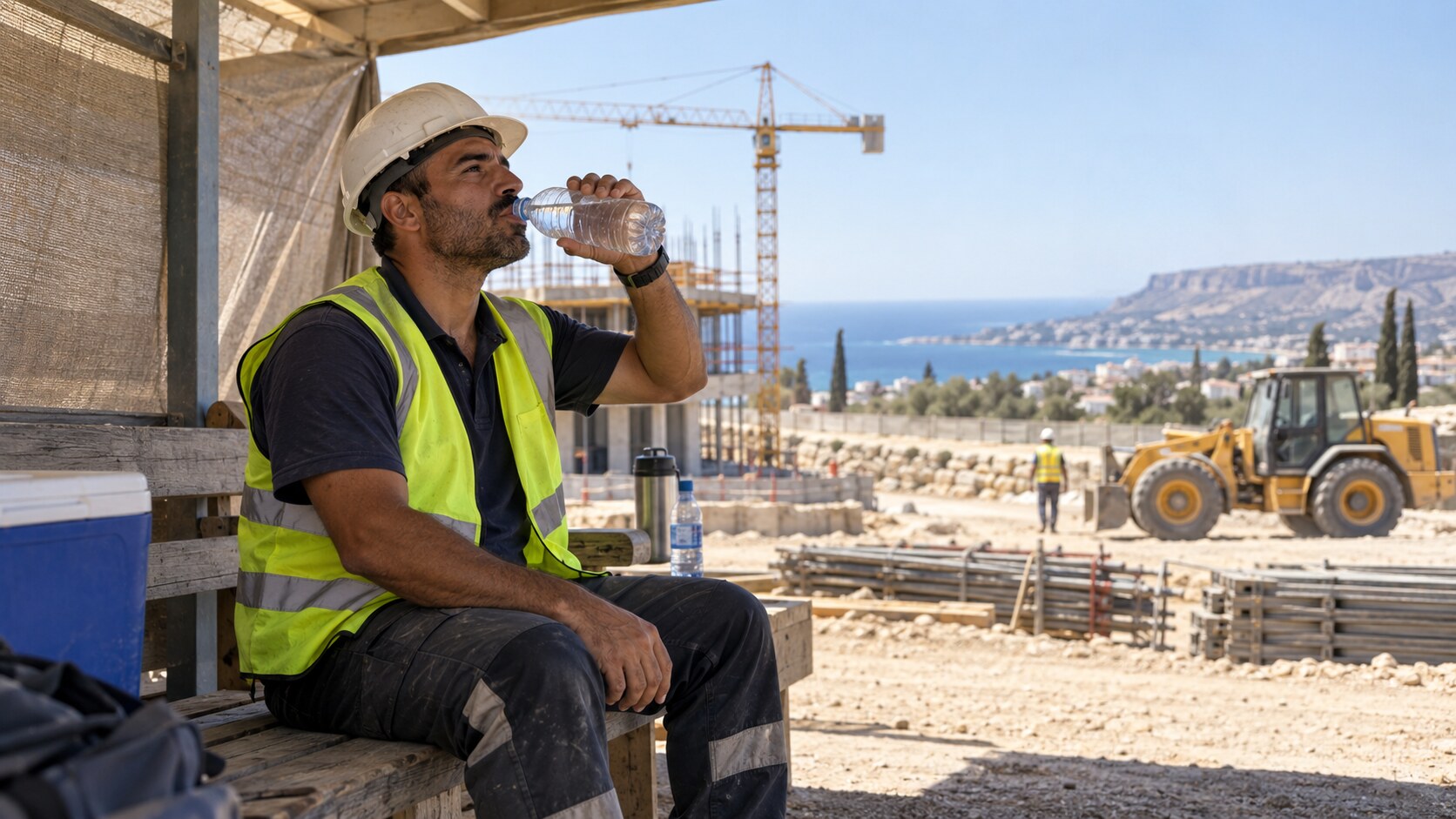
Heat Stress at Work: Risk Assessment and Prevention
Reviewed: 1 September 2026 High temperatures, humidity, solar radiation, strenuous physical work and unsuitable clothing or personal protective equipment can cause heat stress. Possible outcomes include fatigue, dehydration, heat cramps, heat exhaustion and heatstroke. Heat can also impair judgement and concentration, increasing the risk of accidents. In Cyprus, employers and self-employed persons must apply the Occupational Safety and Health (Code…

Healthy Workplaces Lighten the Load 2020-22
Millions of workers across Europe suffer from work-related musculoskeletal disorders (MSDs). About three in every five workers in the European Union report MSD complaints, based on data from the sixth European Working Conditions Survey. Work-related MSDs are impairments of bodily structures, such as muscles, joints and tendons, that are caused or aggravated primarily by work or the effects of the…